
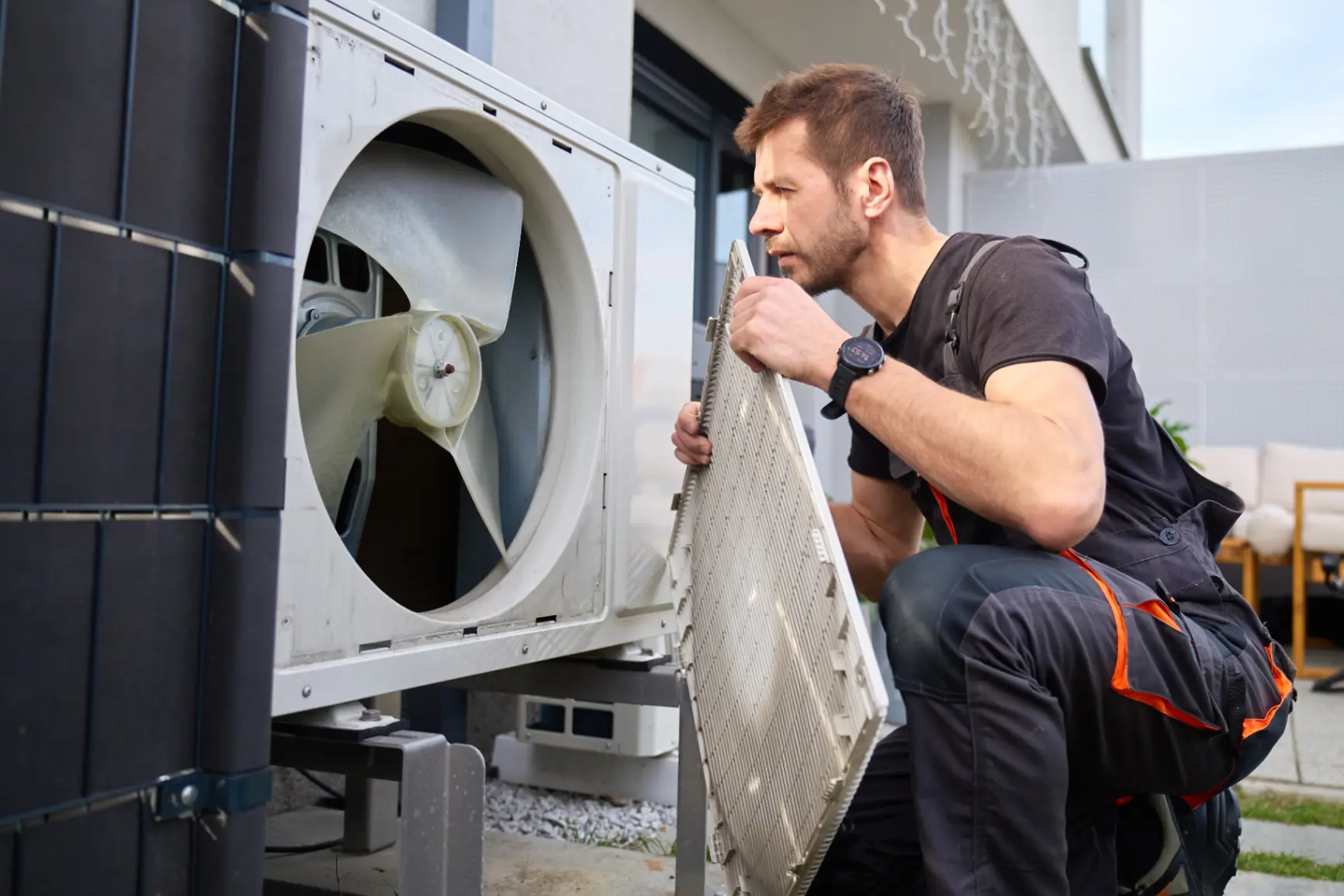
Your air conditioner should operate with a consistent, relatively quiet sound on a hot Georgia afternoon. When your AC suddenly starts making a loud or unusual noise, however, it can be a sign that something has changed. While some sounds are part of normal operation, unusual noises may indicate a mechanical or electrical issue that requires attention before it develops into a more costly repair.
If your air conditioner is making a rattling noise, a buzz, a hiss, or a clank, this guide will help you identify the source of the noise, understand what it means, and know when it's time to call a professional. Peachtree City summers push cooling systems hard, and the tree-lined paths and pollen-heavy springs here create a few local challenges of their own.
Quick Reference: Decoding Your AC's Sounds
| Sound You Hear | Most Likely Cause | Risk Level | Recommended Action |
|---|---|---|---|
| Rattling | Loose panel, screws, fan component, or debris such as leaves and twigs | Low–Medium | Remove accessible debris and check for loose exterior panels. Call a pro if the noise continues. |
| Buzzing | Electrical component, motor, capacitor, contactor, or transformer; a mild contactor hum can sometimes be normal | Medium–High | If the buzzing is loud, persistent, or accompanied by other unusual symptoms, turn off the system and call a qualified technician. |
| Clanking / Banging | Loose component, debris, fan blade issue, or potentially compressor trouble | High | Turn off the system and have it inspected before continued operation causes further damage. |
| Hissing | Possible refrigerant leak, duct leakage, airflow/pressure noise, or refrigerant moving through the system | Medium–High | If the sound is new or persistent, have the system inspected, particularly if cooling performance has declined. |
| Screeching / Grinding | Worn motor bearings, failing motor, blower components, or a worn belt on older systems | Medium–High | Shut down the system if the noise is severe and have it inspected to prevent further mechanical damage. |
Normal vs. Unusual: What Healthy Cooling Sounds Like
Not every AC sound calls for concern. A healthy central air conditioning system typically produces a steady hum and airflow sound during a cooling cycle, along with occasional soft clicks when components such as relays or contactors switch the system on or off.
The rule of thumb: If a noise is new, unusually loud, or noticeably different from your AC's normal operating sound, it's worth having it checked. A consistent sound that hasn't changed over time is generally less concerning, although persistent or worsening noises should not be ignored.
The 5 Major AC Noises & What They Mean
1. Rattling: Loose Hardware or Local Debris
The cause: Years of vibration naturally loosen cabinet screws, bolts, and access panels.
The Peachtree City factor: Homes near wooded areas can see more leaves, pine needles, twigs, and grass clippings around the outdoor condenser, and some debris can become lodged in or around the fan grille.
What to do: Turn off the power and check the outdoor unit for visible lawn debris. If the rattling continues after you clear it out, internal components may have worked themselves loose and should be checked.
2. Buzzing: Often an Electrical Warning Sign
The cause: A buzzing noise often points to an electrical issue — a failing capacitor, a worn contactor relay, or loose parts and wiring. It can also come from the fan motor straining against an obstruction. That said, a soft buzz or hum from the contactor when the unit kicks on can be perfectly normal.
What to do: If the buzzing is loud, persistent, or accompanied by a burning smell, smoke, sparks, or other abnormal operation, turn off the system and contact a qualified HVAC technician. Running the unit with an unresolved electrical fault can damage critical components and, in severe cases, contribute to the need for a complete HVAC replacement.
3. Clanking or Banging: Possible Compressor Distress
The cause: A loud clank or heavy metallic bang can signal a loose component or debris striking the fan. It can also indicate a compressor problem, such as damaged internal components, excessive vibration, or loose mounting hardware.
What to do: Don't keep running the system if the banging is severe or persistent. Continued operation can worsen certain mechanical problems. Shut the system down and call a certified HVAC technician to inspect it.
4. Hissing: Often a Refrigerant Leak
The cause: Refrigerant travels under pressure through sealed lines, and a small leak can sometimes produce a hissing sound. However, hissing can also come from duct leakage, airflow, or normal refrigerant movement through certain components.
Accompanying symptoms: Warm air from the vents, unusually long cooling cycles, or ice forming on the refrigerant lines can indicate a refrigerant-related problem, although these symptoms can have other causes.
What to do: If you suspect a refrigerant leak, have the system inspected by a qualified HVAC technician. Refrigerant recovery, leak repair, and recharging require specialized equipment and an appropriately EPA-certified technician; they aren't DIY tasks.
5. Screeching or Grinding: Motor & Bearing Warnings
The cause: A metallic grinding noise can indicate worn or damaged motor bearings, a failing motor, or another mechanical problem. A high-pitched screech can come from a failing blower or condenser fan motor and, on older belt-driven systems, a worn or loose fan belt.
What to do: Turn the unit off if the noise is severe or persistent to avoid worsening the mechanical problem, and have it inspected by a qualified HVAC technician.
Homeowner Detective Checklist
Before placing a service call, a few quick clues can speed up your Peachtree City technician's diagnosis:
- Locate the sound: Is it coming from the indoor unit (air handler/blower) or the outdoor unit (condenser/compressor)?
- Note the timing: Does the noise happen only at startup, throughout the whole cycle, or right as the unit shuts down?
- Describe the character: Is it rhythmic, intermittent, constant, or irregular? Does it change with fan speed?
4 Simple Maintenance Checks You Can Do Yourself
Complex repairs require specialized tools and training, but a few basic maintenance checks can sometimes resolve simple causes of unusual AC noises.
- Replace the air filter. Fayette County's heavy spring pollen clogs filters fast. A clogged filter starves the system of airflow, forcing the blower to work harder and louder. Swap filters every 1 to 3 months.
- Give the unit clearance. Keep leaves, sticks, and overgrown bushes trimmed back about two feet from the outdoor condenser.
- Snug up exterior panels. With the power switched off, gently tighten any loose exterior cabinet screws.
- Check the thermostat. Repeated rapid clicking without the system starting can point to a failing thermostat, capacitor, or control-board signal.
When to Call a Professional in Peachtree City
Here's the simple rule: if basic debris removal and filter changes don't quiet things down, or if you hear buzzing, banging, hissing, or grinding, it's time to call a professional.
AComfort proudly serves homeowners in Peachtree City, Griffin, and across Fayette County. Our licensed technicians pinpoint the exact root cause when your AC unit is making a loud noise, keeping minor glitches from turning into emergency summer breakdowns.
Don't let a small sound turn into a costly replacement. If your air conditioner is making unusual noises, shut it down and contact the AComfort team to restore quiet, reliable comfort to your home.
The Takeaway
An AC making a loud noise is rarely something to ignore. The sound itself is your best clue: a rattle usually means loose hardware or debris, a buzz often points to electrical trouble, and banging, hissing, or grinding signal problems that need fast attention. Start with simple checks—clear the condenser, change the filter, tighten loose panels, and note where and when the noise happens. If it persists, don't wait for a small sound to become a costly repair. Call a professional to diagnose the root cause and restore quiet, dependable cooling.
Hearing Something Off? Let's Take a Look
Don't wait for a strange noise to turn into a full system breakdown. AComfort's licensed technicians can pinpoint the exact cause and get your AC running quietly and reliably again.
Get a Free Estimate