Every home relies on an efficient heating system to stay comfortable when winter temperatures drop. For homeowners in Griffin, GA, and nearby Metro Atlanta communities, understanding how long a furnace should last can help you plan for maintenance, budget for replacement, avoid unexpected heating breakdowns, and decide when it is time to replace your current unit.
While a furnace in Griffin does not experience the unrelenting winter demands of Northern states, local humidity, seasonal shifts, and year-round HVAC operation can affect how long your system operates reliably. Understanding how your heating system ages enables you to plan ahead rather than facing an unexpected furnace replacement during a cold stretch.
What Is the Average Furnace Lifespan?
Nationwide, a well-maintained furnace will typically last between 15 and 20 years. However, the exact lifespan depends on the type of furnace installed, how frequently it runs, and the quality of regular care it receives.
- Gas Furnaces: The average lifespan of a gas furnace ranges from 15 to 20 years. Because a gas furnace relies on combustion and complex components like a heat exchanger, internal wear and tear naturally accumulates over time.
- Electric Furnaces: Electric models often last longer than gas units, with a life expectancy of 15 to 30 years. With fewer moving mechanical parts and no risk of combustion corrosion, electric systems experience less structural stress, though heating costs may run higher depending on regional electricity rates.
Furnace Lifespan in Griffin, GA
Griffin experiences relatively mild winters, with January nighttime temperatures typically averaging in the mid-30s°F. Because furnaces in Griffin generally face less intensive winter demand than those in colder climates, a well-maintained system may reach the upper end of its expected lifespan.
However, Georgia's climate presents distinct operational challenges:
- High Humidity & Air Conditioning Load: In Griffin, heating and air conditioning share the same ductwork and air handler blower assembly. Because your air conditioning runs intensely throughout long, humid summers, blower motors and fan components operate year-round.
- Damp Shoulder Seasons: Moist spring and fall air can contribute to rust or corrosion inside an older furnace casing if air quality control and ventilation are neglected.
Key Factors That Determine How Long Your Furnace Lasts
Several core factors dictate whether your equipment reaches the upper end of its lifespan or fails prematurely.
1. Type of Furnace & Equipment Quality
Whether you choose a gas system or an electric unit directly affects long-term durability. While electric options often last longer, high-efficiency gas furnaces offer lower monthly utility expenses. Gas furnaces are rated by Annual Fuel Utilization Efficiency (AFUE), which measures how efficiently they convert fuel into usable heat. Higher-efficiency models can reduce fuel consumption, but proper installation and maintenance remain important to long-term performance.
2. Furnace Installation and Sizing
A poorly installed furnace will suffer performance issues regardless of brand reputation. Improper duct connections or incorrect airflow settings force the unit to cycle frequently. Similarly, incorrect furnace size causes major efficiency problems: an oversized system cycles on and off repeatedly, while an undersized unit runs constantly, subjecting internal components to excessive stress.
3. Regular Furnace Maintenance
Routine care is the single most critical factor in helping your furnace last longer. Skipping annual furnace maintenance allows dust buildup on the blower wheel and burners, reducing system efficiency and causing the furnace to work harder to heat your home.
4. Air Filter Management
A clogged air filter restricts airflow, forcing the system to overheat and shut down prematurely. Regularly changing furnace filters protects internal parts from dust buildup and preserves home air quality.
Warning Signs That It Is Time to Replace Your Furnace
Recognizing the signs your furnace is nearing the end of its life helps you avoid sudden loss of heat during winters. Keep an eye out for these clear indicators:
- Age Over 15 Years Old: If your unit is over 15 years old, it is reaching the end of its lifespan. Even if it still functions, older models operate at significantly lower efficiency than modern HVAC replacement options.
- Rising Energy Bills: Unexplained spikes in heating bills suggest internal components are degrading, requiring more energy to produce the same heat output.
- Frequent Repairs or Rising Repair Costs: When repair bills start stacking up, continuing to fix an old furnace becomes financially impractical.
- Uneven Heating Across Rooms: Cold spots throughout your house mean the system can no longer distribute air effectively.
- Unusual Noises or Smells: Grinding, squealing, or rattling sounds signal loose or failing mechanical parts.
- Cracked Heat Exchanger or Gas Leak: A cracked heat exchanger presents a serious safety risk, potentially allowing dangerous combustion gases into your living space. If you suspect a gas leak or smell strong fuel odors, leave the area immediately and contact your local gas utility or emergency services from a safe location.
Repair or Replace: Making the Right Decision
When evaluating an aging system, homeowners frequently debate whether to schedule another furnace repair or invest in a new furnace.
The $5,000 Rule
The $5,000 rule is a commonly used rule of thumb for deciding whether to repair or replace an aging furnace. To use it, multiply the estimated repair cost by the furnace’s age. If the result exceeds $5,000, replacement may be worth considering.
However, this calculation should not be the only factor in your decision. Consider the furnace’s age, energy efficiency, repair history, warranty coverage, and the cost of a new system before choosing between another repair and replacement.
A modern replacement furnace may provide improved efficiency, lower energy use, and new manufacturer warranty coverage, potentially making replacement a better long-term investment for an aging system.
How to Help Your Furnace Last Longer
Proactive care ensures you extract maximum performance and lifespan from your equipment.
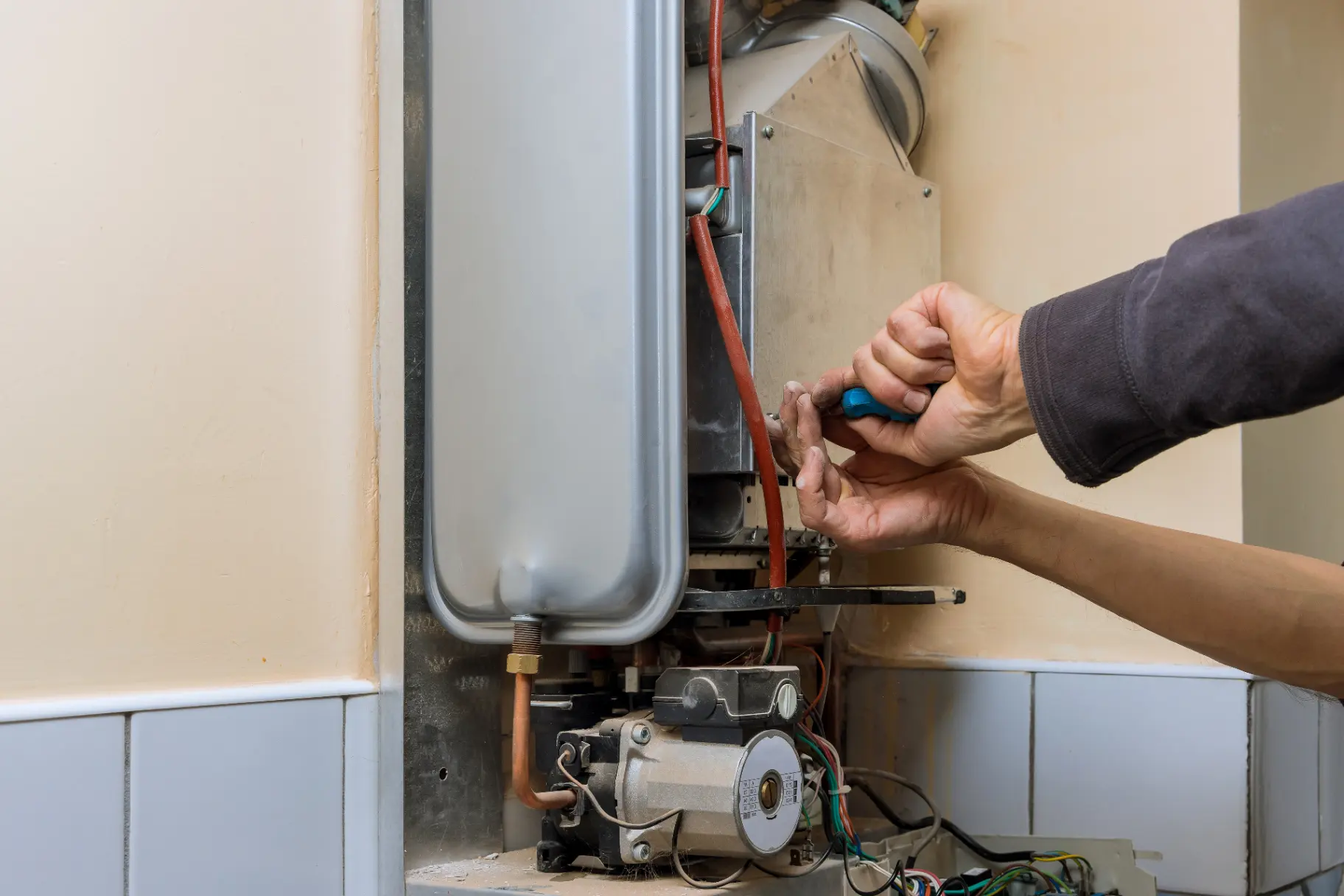
- Schedule Annual Furnace Maintenance: Arrange a professional furnace tune-up every autumn. An experienced HVAC technician will inspect safety controls, clean burners, check electrical connections, and verify proper venting.
- Replace the Filter Monthly During Peak Use: Inspect your filter regularly during active heating and cooling months and replace it according to the manufacturer's recommendations. A clean filter helps maintain proper airflow and reduces unnecessary system strain.
- Keep Vents Clear: Ensure furniture, drapes, or rugs do not block supply or return air grilles.
- Install a Programmable Thermostat: Lowering temperatures slightly when away reduces total operational hours and minimizes daily wear and tear.
Seeking guidance from AComfort can help you determine whether it’s time to replace your HVAC system. They can also help you explore modern, energy-efficient options designed to improve comfort and reduce energy costs year-round.
Final Thoughts for Griffin Homeowners
Knowing how long a furnace can last empowers you to make informed decisions about your home's comfort and safety. With Griffin's moderate winter climate, a well-maintained furnace can reliably serve your household for 15 to 20 years.
When warning signs appear, or your system approaches the end of its lifespan, consulting a licensed local HVAC specialist ensures your home stays warm, efficient, and safe all season long.
Is Your Furnace Ready for Another Winter?
An aging furnace doesn’t always need to be replaced, but ignoring the warning signs can lead to an unexpected breakdown. AComfort can assess your system, explain your options, and help you make the right choice for your Griffin, GA home.
Contact Us Today