
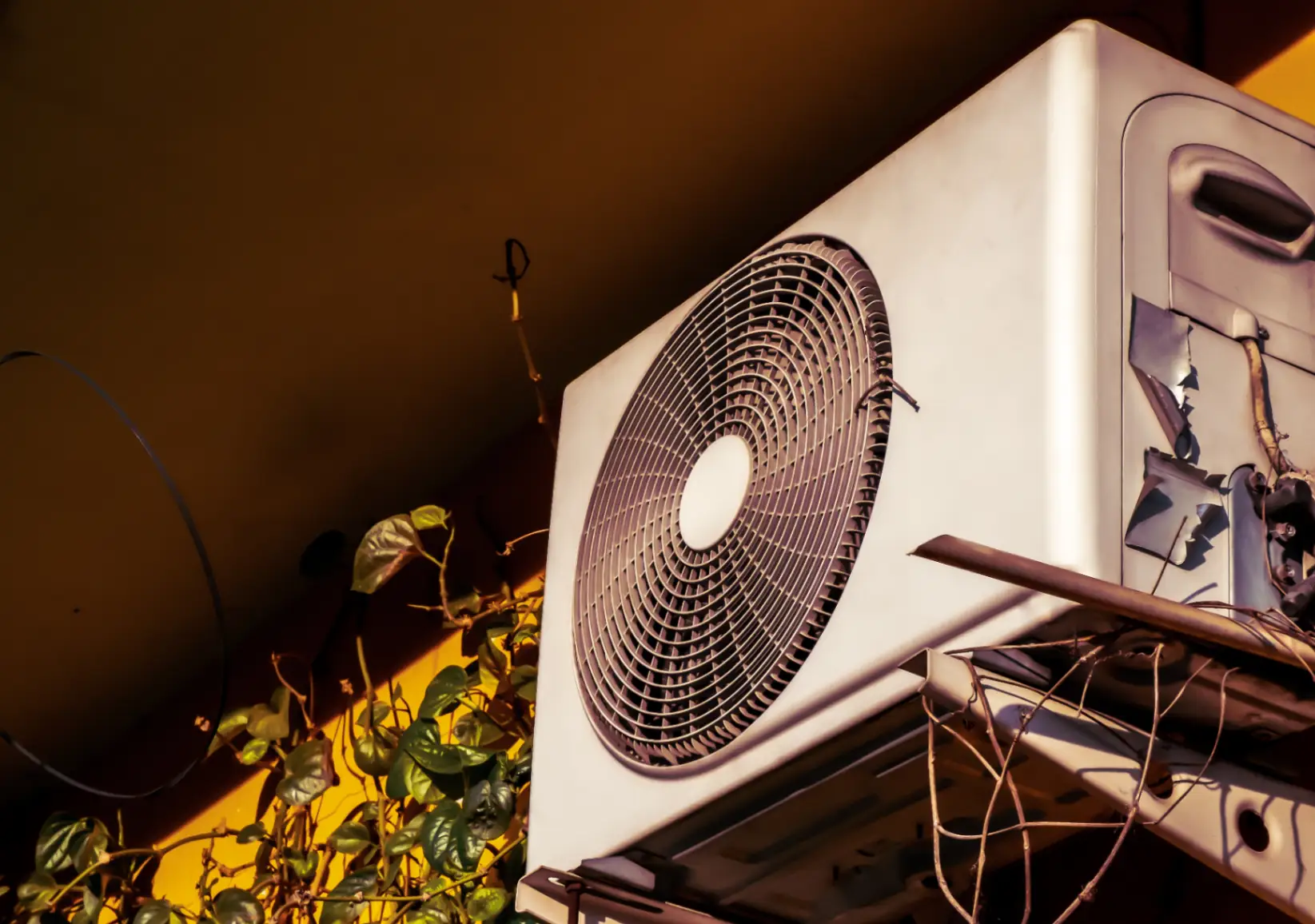
If you own a home in Griffin, Georgia, your air conditioner works hard. Our long, humid summers mean your central air runs for months at a stretch, and few investments matter more to your comfort than a dependable HVAC system. So it's natural to wonder: how long do AC units last, and how will you know when it's time to replace your air conditioner?
The short answer is that most central air conditioners last 15 to 20 years. But the actual lifespan of any given unit depends on how it was installed, how it's used, and how well it's maintained. This guide breaks down the average life expectancy of an AC system, the factors that shorten or extend it, and the signs that tell a Griffin homeowner it's time to plan for an AC replacement.
The Average Lifespan of an AC Unit
Across the United States, the average life expectancy of a central air conditioner falls between 15 and 20 years. Many well-maintained systems last 15 years comfortably, and a quality unit that receives regular maintenance can push past two decades. Older units installed before newer efficiency standards, however, often begin to struggle well before that.
It's worth noting the difference between a standalone air conditioning unit and a complete HVAC system. Your central AC works alongside your furnace, air ducts, and blower to cool your home. When people ask how long AC units last, they're usually thinking about the outdoor condenser and indoor coil, but the health of the entire system, including the furnace and AC, determines real-world performance and comfort.
Modern units also tend to be more efficient than the equipment they replace. If your current air conditioner is 15 years old or more, a new AC unit will likely cool your home using far less electricity, which can meaningfully lower your energy bills.
What Affects the Lifespan of Your Air Conditioner
Several factors influence how many years your AC will actually last:
Regular maintenance is one of the most important factors affecting the life of your air conditioner. Annual AC maintenance — cleaning the coil, checking refrigerant levels, and inspecting electrical components — keeps the system running efficiently and catches small problems before they become expensive repairs.
The quality of the unit and installation. Higher-grade HVAC equipment tends to outlast budget models, but even the best air conditioner will fall short of its expected lifespan if it was sized or installed poorly. Proper installation by a qualified HVAC technician sets the foundation for a long service life.
How hard the system works. In a hot, humid climate like Griffin's, your AC runs longer and more often than it would in a milder region. A system that's constantly working harder to cool your home simply accumulates wear faster.
The air filter and airflow. A clogged air filter forces your system to strain, restricting airflow and reducing both efficiency and air quality. Clean air filters, clear air ducts, and unobstructed vents all help the unit run without unnecessary stress.
Environment. Griffin's hot, humid climate can put additional strain on your air conditioner, especially during Georgia's long cooling season. As Griffin homeowners know, pollen, dust, leaves, and outdoor debris can also build up around the condenser and restrict airflow. Keeping the outdoor unit clear and scheduling regular maintenance can help reduce this strain and support a longer AC lifespan.
Signs It May Be Time to Replace Your Air Conditioner
Even with the best care, every air conditioning system eventually reaches the end of its road. Watch for these signs that it may be time for HVAC replacement rather than continuing to pay for repairs:
- Age: If your central AC is between 15 and 20 years old, it's approaching or past its average lifespan, and a replacement is worth planning for.
- Rising energy bills: When an aging system loses efficiency, it works harder to produce the same cool air inside — and your monthly bills climb.
- Frequent, costly repairs: Occasional AC repairs are normal, but when repair costs start stacking up several times a season, those dollars are often better put toward a new system.
- Uneven or weak cooling: If some rooms never get comfortable or the airflow feels weak, an older unit may no longer be able to keep up.
- R-22 refrigerant: Systems that use R-22 can be increasingly expensive to service because production and import of new R-22 were phased out in the U.S. As supplies become more limited, replacement may make more sense for older systems.
A common rule of thumb: if a major repair is expensive and the system is well into its second decade, replacement may make more financial sense.
How to Extend the Life of Your AC
The good news is that a homeowner has real control over how long an air conditioner will last. A few consistent habits go a long way toward protecting your investment:
- Schedule annual AC maintenance with a licensed technician, ideally before cooling season begins. If you notice warm air, weak airflow, unusual noises, or frequent cycling, have the system inspected promptly.
- Change or clean your air filter every one to three months to protect airflow and indoor air quality.
- Keep the outdoor condenser clear of grass, leaves, and debris.
- Have your coil cleaned and your refrigerant checked during regular maintenance visits.
- Address small issues promptly instead of letting them grow into major repairs.
These steps can not only extend the life of your central air conditioner but also help maintain efficiency, control energy costs, and support comfortable indoor air quality. Think of regular maintenance as the difference between a unit that barely reaches 12 years and one that comfortably serves your family for 18 or more.
When to Repair and When to Replace
Deciding between an air conditioning repair and a full AC replacement isn't always obvious. A younger, well-maintained system usually justifies the repair. But when an older unit combines high age, rising repair costs, and falling efficiency, investing in a new HVAC system typically delivers better comfort, lower bills, and fewer headaches.
The best way to make that call with confidence is to have an experienced HVAC technician evaluate your specific system. A trustworthy local HVAC company will give you an honest assessment of your unit's remaining lifespan rather than pushing an unnecessary sale.
Trusted HVAC Help in Griffin
For homeowners across Griffin and the Metro Atlanta area, AComfort provides dependable air conditioning service, from routine AC maintenance to complete air conditioner replacement. Whether you need to keep an existing system running at its best or you're weighing a new AC unit, their team can assess the quality of your unit, explain your options clearly, and help you get the most life from your equipment.
Conclusion: How to Get the Most From Your AC
Most AC units last 15 to 20 years, and how long yours runs depends on installation quality, usage, and regular maintenance. By replacing your air filter regularly, keeping the outdoor unit clear, and scheduling professional maintenance, you can help extend the life of your air conditioner, maintain indoor air quality, and keep your home comfortable through every Georgia summer. And when the time to replace finally arrives, knowing the signs ahead of time turns a stressful breakdown into a smart, planned upgrade.
Ready to Get More Life From Your AC?
Whether your system needs routine maintenance, a repair, or replacement, AComfort can help you determine the right next step. Contact our HVAC team today to schedule service in Griffin and keep your home comfortable year-round.
Schedule AC Service