
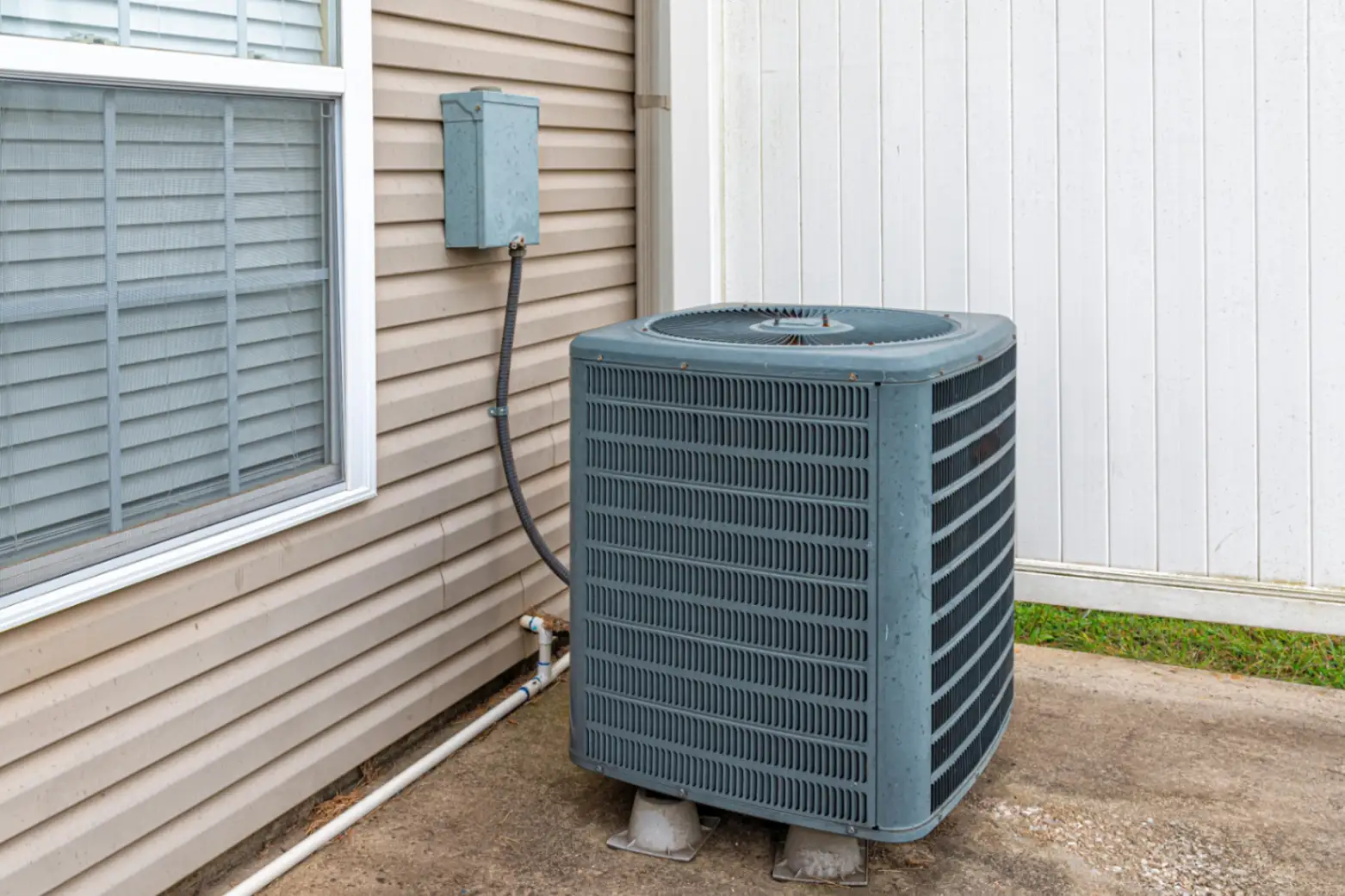
Choosing the right heating system for your home is one of the most critical investments you will make as a homeowner. When upgrading or replacing an outdated HVAC unit, the central debate usually comes down to two major options: heat pump vs. furnace.
Across the United States, homeowners evaluate these systems based on energy efficiency, equipment lifespan, and upfront installation costs. However, heating performance is deeply tied to geography. What works efficiently in the freezing winters of the Upper Midwest may not be the most cost-effective solution for residents in Clayton County and the south metro Atlanta area.
If you are evaluating a furnace vs. heat pump for a home in Jonesboro, Georgia, balancing national industry trends with local climate requirements is essential to making an informed choice.
Understanding the Fundamentals: How Each System Works
To choose the right heating system, it's important to understand how heat pumps and furnaces work.
How a Heat Pump Works
Unlike traditional heating systems, a heat pump does not generate heat through combustion or electrical resistance. Instead, it transfers existing thermal energy from one location to another.
In the Winter: The system extracts ambient heat from the outdoor air—even in cold temperatures—and transfers it inside.
In the Summer: The process reverses. The unit pulls heat out of your indoor spaces and dumps it outdoors, acting as a high-efficiency central air conditioner.
Because heat pumps transfer energy rather than create it, they can achieve efficiency ratings between 200% and 400% during moderate weather.
How a Furnace Works
A furnace relies on fuel combustion or direct resistance to generate new heat.
Gas Furnaces: Burn natural gas or propane inside a combustion chamber to heat a heat exchanger. Air passes over the exchanger and is pushed through your home's ductwork.
Electric Furnaces: Use heavy-duty electric heating coils to warm the air directly, similar to a large-scale hair dryer.
Standard gas furnaces operate at 80% to 98% Annual Fuel Utilization Efficiency (AFUE), meaning up to 98 cents of every dollar spent on gas turns directly into heat.
National HVAC Standards: Comparing Efficiency, Lifespan, and Cost
Nationally, the heating industry evaluates systems across three key categories: operational efficiency, initial investment, and equipment longevity.
| Feature | Heat Pump | Gas Furnace | Electric Furnace |
|---|---|---|---|
| Primary Function | Heating & Cooling (Year-round) | Heating Only | Heating Only |
| Heating Efficiency | 200% – 400% (COP 2.0–4.0) | 80% – 98% AFUE | ~100% AFUE |
| Average Lifespan | 10 – 15 Years | 15 – 20 Years | 20 – 30 Years |
| Upfront Cost | Moderate to High | Moderate | Lower Initial Unit Cost |
| Ideal Climate | Mild to Moderate | Cold to Extreme Cold | All Climates (High Operating Cost) |
Upfront vs. Long-Term Costs
A furnace typically carries a lower upfront equipment cost than a heat pump. However, a furnace requires a separate central air conditioning unit to provide summer cooling.
A heat pump satisfies both heating and cooling requirements in a single cabinet. During a complete HVAC replacement, where both the heating and cooling systems are being replaced, a heat pump often proves more economical on initial installation costs than buying a separate air conditioner and furnace combination.
Equipment Longevity
Because heat pumps work year-round—providing cooling in July and heating in January—they accumulate more operational hours than furnaces. As a result, the average lifespan of a heat pump ranges from 10 to 15 years, whereas a gas furnace typically lasts 15 to 20 years with routine maintenance.
The Jonesboro Factor: Climate, Local Energy Rates, and Performance
National metrics provide a baseline, but local conditions determine actual comfort and savings. Assessing a heat pump vs. furnace specifically for Jonesboro requires examining local climate trends and utility structures.
1. Winter Temperatures in Clayton County
Jonesboro sits in a humid subtropical climate zone with short, mild winters. Clayton County falls into IECC Climate Zone 3A, the same mixed-humid band that covers most of the metro Atlanta region. January daytime highs typically land in the low-to-mid 50s, with overnight lows hovering in the low-to-mid 30s.
Hard freezes do arrive, usually as brief Arctic outbreaks that last a few days, and Georgia's occasional winter ice storms are worth planning around. But extended stretches of sub-freezing weather are rare here compared to states farther north.
Modern heat pumps perform with maximum efficiency when outdoor temperatures remain above 30°F–35°F.
Because Jonesboro spends the vast majority of its heating season above that threshold, heat pumps can operate very efficiently throughout most of the winter. This is a big reason heat pumps have become a popular choice for Georgia homeowners.
2. Summer Humidity and Air Conditioning Demands
Metro Atlanta summers are long, hot, and humid, with July highs commonly near 90°F and high dew points from June through September. Cooling season here often stretches from April into October, which means your air conditioning equipment does far more annual work than your heating equipment does.
A high-efficiency heat pump excels at dehumidification during these muggy months, matching or exceeding the cooling capabilities of standard standalone air conditioners.
3. Energy Rates and Fuel Availability
Natural gas service is widely available across Jonesboro, Morrow, Riverdale, and the surrounding Clayton County neighborhoods through the Atlanta Gas Light distribution network. Georgia's deregulated natural gas market also lets homeowners shop rates among certified marketers, which makes a high-efficiency gas furnace a viable option for many established homes.
However, not every home in Clayton County has access to natural gas. Some newer all-electric developments and certain properties may not have a gas line available, making electric heating the primary option. For those all-electric homes, relying on an electric furnace or electric strip heat can lead to high winter power bills. In these instances, an electric heat pump offers substantial energy savings over traditional electric resistance heating.
Heat Pump vs. Furnace: Key Considerations for Jonesboro Homeowners
To decide between a furnace vs. heat pump, evaluate your specific property conditions and comfort preferences:
Choose a Heat Pump If:
- You need to replace both your AC and heating unit: A single heat pump handles year-round home comfort efficiently.
- Your home lacks natural gas access: Heat pumps use electricity far more efficiently than standard electric furnaces.
- You want lower annual carbon emissions: Heat pumps run on electricity and do not burn fossil fuels directly on your property.
- You want lower monthly utility bills in mild weather: During a typical 50°F Jonesboro winter afternoon, heat pumps deliver significant energy cost savings.
Choose a Gas Furnace If:
- Your home already has an active natural gas line: Gas furnaces produce fast, intense heat delivered at higher vent temperatures (around 120°F–125°F compared to 95°F–100°F from heat pumps).
- Your air conditioner is relatively new: If your cooling system does not need replacement, adding or upgrading a gas furnace keeps upfront installation costs lower.
- You prefer immediate, warm airflow: Furnaces deliver rapid heating during abrupt drops in temperature, including the sudden Arctic fronts that occasionally sweep across north Georgia.
Navigating the choice between a heat pump and a gas furnace doesn't have to be overwhelming. The experienced technicians at AComfort specialize in comprehensive residential heating and cooling services throughout Jonesboro and Clayton County. From performing detailed energy load calculations and installing high-efficiency equipment to offering seasonal tune-ups and indoor air quality solutions, they ensure your investment keeps your home comfortable and your energy bills low year after year.
The Best of Both Worlds: Dual-Fuel (Hybrid) Heating
For many Jonesboro homeowners torn between the two options, a dual-fuel system (also called a hybrid heat system) offers an ideal solution.
A dual-fuel system pairs an electric heat pump with a backup gas furnace:
- Mild Weather Operation: When outdoor temperatures sit above 35°F—which describes most of a Clayton County winter—the system relies on the energy-efficient heat pump to warm your home at a fraction of the cost.
- Cold Snap Operation: When a hard freeze or winter storm pushes into north Georgia and temperatures drop into the 20s, the system automatically switches over to the gas furnace to maintain maximum heat output and indoor comfort.
This automated switching optimizes utility costs year-round while eliminating any concerns about cold-weather heating performance.
Final Verdict for Jonesboro Homes
When weighing a heat pump vs. furnace in Jonesboro, there is no single answer for every property.
For most local homeowners replacing an entire heating and cooling system, a modern heat pump—or a hybrid dual-fuel system—delivers the ideal blend of summer cooling, winter efficiency, and overall energy savings. Georgia's long cooling season and short, mild heating season play directly to a heat pump's strengths. However, if your home is equipped with natural gas and you prefer strong, instant heat during a January cold snap, a high-efficiency gas furnace remains a dependable choice.
Consulting with a licensed local HVAC professional for a Manual J load calculation will help ensure your new system is sized correctly for your home's layout, insulation levels, and specific comfort needs.
Find the Perfect Heating System for Your Jonesboro Home
Skip the guesswork. AComfort's technicians will evaluate your home and recommend the right heat pump, furnace, or dual-fuel system for lasting comfort and lower energy bills.
Contact Us